Bridal bouquet case study Highbury Fields Islington
Posted on 27/10/2026
If you are planning a wedding near Highbury Fields, you already know the little details matter more than they first appear. A bouquet is not just a bundle of flowers. It sits in the photos, in the hand, in the memory of the day. This Bridal bouquet case study Highbury Fields Islington explores how a wedding bouquet can be planned with local conditions, personal style, timing, and practicality in mind. Whether you are choosing a classic hand-tied look or something more textured and modern, the goal is the same: a bouquet that feels right, looks right, and lasts well through the day.
There is something especially lovely about weddings in this part of Islington. The setting can feel green, elegant, and a bit lived-in, which is often exactly what couples want. But to be fair, that also means the bouquet has to do a lot of work. It needs to suit the dress, the venue, the season, the weather, and the pace of the day. That is what makes a well-thought-out bouquet case study useful. It shows how decisions get made in real life, not just in inspiration boards.
Below, you will find a practical, human guide to what goes into the process, what tends to work well, and what to watch out for. If you are comparing bouquet styles or trying to decide whether to go bespoke or choose a ready-designed wedding flower option, this should help clear the fog a bit.
- Why this case study matters
- How the bouquet planning process works
- Key benefits and practical advantages
- Who this is for
- Step-by-step guidance
- Expert tips for better results
- Common mistakes to avoid
- Tools, resources and recommendations
- Law, compliance, standards and best practice
- Options and comparison table
- Case study example
- Practical checklist
- Conclusion
- Frequently asked questions
Why Bridal bouquet case study Highbury Fields Islington Matters
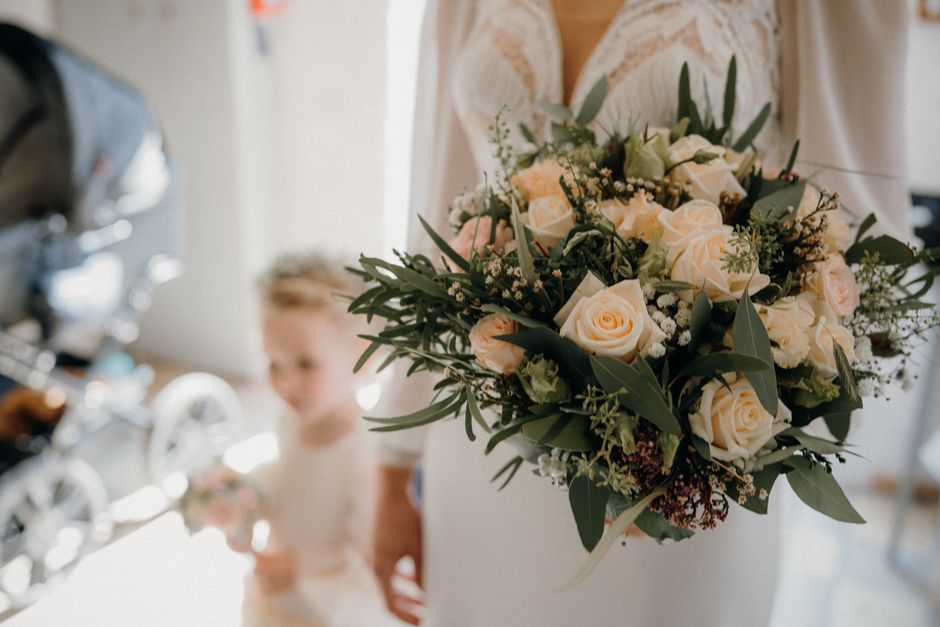
A bouquet case study gives you something mood boards cannot: context. It shows how colour, shape, scale, and timing come together in a real wedding setting. For a Highbury Fields Islington wedding, that matters because the surroundings often influence the feel of the whole day. You may have a ceremony nearby, a walk through the park for photos, then a reception elsewhere in Islington or central London. The bouquet has to move with you, quietly doing its job without causing fuss.
Why does that matter so much? Because bridal flowers are often one of the most photographed parts of the wedding look. The bouquet appears in close-ups, wide shots, candid moments, and those slightly awkward-but-lovely "walking through the park" photos where everyone is trying not to look like they are rushing. A bouquet that is too heavy, too loose, or too delicate can become a nuisance. A well-planned one feels balanced in the hand and supports the whole visual story.
There is also the practical side. Highbury Fields can feel open and breezy at times, especially on a warm day. Flowers that are overcomplicated or badly conditioned may look a bit tired by the afternoon. A good bouquet plan takes account of flower choice, hydration, stem preparation, and the timeline of the day. Small details, yes. But they add up fast.
If you are browsing wedding bridal bouquet options, a case study like this helps you move from browsing to deciding. That is often the hardest part. Not picking flowers, but narrowing the field.
How Bridal bouquet case study Highbury Fields Islington Works
At its simplest, the process starts with three things: the wedding style, the practical setting, and the bride's personal preference. In a good bouquet brief, those three things are treated as equal. If one dominates too much, the result can feel off. Pretty, maybe, but not quite you.
First comes the style conversation. Is the look soft and romantic, structured and refined, wild and garden-inspired, or something more editorial? Then comes the setting. Highbury Fields and the wider Islington area tend to suit bouquets that feel elegant but not overdone. Think natural movement, clean shape, and colour palettes that photograph well in daylight. Finally, there is the personal side: favourite flowers, disliked textures, comfort with scent, and whether the bouquet must match bridesmaids, buttonholes, or a wider floral scheme.
A well-run bouquet process often follows this pattern:
- Start with the wedding date and venue context.
- Choose a bouquet style that fits the dress and overall theme.
- Confirm colour direction and flower preferences.
- Check seasonal availability and substitutions.
- Agree size, handling, and transport details.
- Plan the finishing touches, such as ribbon or binding.
Some couples come in with a very clear idea. Others just know what they do not want. That is more common than people admit. "No lilies," for example, or "nothing too round," or "please, not one of those stiff posy things." Fair enough. A bouquet should feel personal, not like a default setting.
For couples planning a broader floral scheme, it can help to look at related wedding pieces too, such as wedding flowers, bridesmaid bouquets, and buttonholes. The bouquet rarely stands alone; it usually sits inside a family of flowers.
Key Benefits and Practical Advantages
A strong bridal bouquet plan brings benefits that go well beyond appearance. The most obvious one is visual coherence. If the bouquet reflects the dress shape, venue style, and season, the whole wedding look feels more intentional. That is the bit guests may not consciously notice, but they feel it anyway.
Another benefit is comfort. A bouquet that is properly sized and balanced is easier to carry. That sounds obvious, but it is often overlooked. A bouquet can look beautiful on a table and still be awkward in the hand. If the stem wrap is too thick, if the head is too bulky, or if the weight sits oddly, the bride notices very quickly. No one wants a hand cramp before the ceremony. Honestly, bad bouquet ergonomics is not a glamorous phrase, but it matters.
There is also better resilience. Thoughtful flower selection can help the arrangement cope with a busy wedding schedule, especially if there are photos outdoors, a delay between ceremony and reception, or a warm room with a bit of crowd energy. Some flowers hold up better than others. Some styles hide natural changes more gracefully. That is simply part of the craft.
Other practical advantages include:
- clearer colour matching with dress fabrics and bridesmaid outfits
- better photo consistency across different lighting conditions
- less stress on the day because the bouquet is already planned properly
- more useful coordination with venue flowers and table arrangements
- fewer last-minute substitutions if seasonal choices are discussed early
If you are choosing a premium design, the advantage is often in the detail rather than the size. A bouquet that looks effortless usually required quite a lot of thought. That is the secret, really.
Who This Is For and When It Makes Sense
This kind of bouquet planning is a good fit for several types of couples. If you are getting married near Highbury Fields and want the flowers to feel tasteful, local, and polished, it makes sense. If you are choosing a smaller wedding and want one beautiful focal piece rather than a huge floral setup, it makes sense too. And if you are simply tired of generic wedding inspiration that looks lovely but gives you no clue how to make a real decision, yes, this helps.
It is especially useful for:
- brides who want a bouquet that looks elegant in photos but is still easy to carry
- couples planning a city wedding with a short travel window between venues
- people who want wedding flowers that feel seasonal rather than overly artificial
- those comparing bespoke floral design with ready-made bouquet styles
- anyone who needs the bouquet to coordinate with a bridal party or ceremony arch
In our experience, the strongest bouquet decisions come from couples who know their priorities. Maybe scent matters most. Maybe colour matters most. Maybe the bride wants the bouquet to photograph beautifully from a distance but still feel soft and natural in person. Once that priority is clear, the rest gets easier.
This also makes sense if you are weighing up whether to choose a collection piece such as SI bridal bouquet or The Perfect Match bridal bouquet. Those options can give a useful starting point when you want something proven, but still wedding-specific.
Step-by-Step Guidance
If you want a bouquet that genuinely suits Highbury Fields Islington, the process should feel structured but not rigid. Here is a practical way to think about it.
1. Set the visual direction early
Begin with the dress, venue, and season. A structured satin gown often works with a more refined bouquet shape. A soft, floaty dress can handle looser movement and a more garden-style composition. If the wedding is in spring or summer, lighter tones and fresh textures often feel natural. A winter wedding may favour richer contrast or a more compact design.
2. Decide on the bouquet silhouette
Silhouette simply means the overall shape. Round and compact, loose and hand-tied, cascading, or a more natural gathered style. The shape affects how it photographs and how easy it is to hold. A cascading bouquet can be dramatic and beautiful, but it is not always the best choice for a day with lots of walking and standing. Sometimes the prettiest option is not the easiest one, and that is fine if you know it upfront.
3. Choose flowers with the day in mind
Not every flower behaves the same way. Some are sturdy and structured; others are softer and more delicate. For a wedding day that includes travel or outdoor photos, resilience matters. Popular bridal choices often include roses, lisianthus, orchids, ranunculus-style textures, and seasonal mixed blooms. If scent sensitivity is an issue, say so early. It saves hassle later.
4. Agree the finishing details
Ribbon colour, stem length, binding, and bouquet size all change the final feel. A small ribbon detail can make the bouquet feel polished rather than plain. You do not need to overcomplicate it. Sometimes a neat, understated finish is the best finish.
5. Build in a realistic timeline
Wedding flowers work best when they are timed carefully. Bouquets should be prepared close enough to the ceremony to stay fresh, but not so late that delivery becomes stressful. If the bouquet needs to travel through Islington traffic or be carried between addresses, that timing matters even more. London does what London does. A five-minute journey can become twelve, then seventeen, and everyone pretends that is normal.
6. Check the handover plan
Who receives the flowers? Where are they stored? Who carries them to the ceremony? This sounds basic, but weddings have enough moving parts already. A clear handover is one of those small details that prevents a very visible problem.
Expert Tips for Better Results
There are a few habits that make bridal bouquet planning noticeably better. Nothing flashy. Just good practice.
- Keep the palette tight. Two or three core tones usually look more elegant than a bouquet with too many competing colours.
- Match texture, not just colour. A bouquet can be the same shade as the dress but still clash if the textures fight each other.
- Think in photographs. What looks delicate in person can disappear in bright light. What feels bold indoors might be perfect outdoors.
- Consider bouquet weight. If you will hold it for a long time, lighter is often better. That is not a weakness. It is smart design.
- Ask about substitutions. Seasonal flower availability can shift quickly, so a good florist should explain acceptable swaps before the day.
- Use the bouquet to guide the rest of the florals. Once the bouquet is settled, bridesmaid arrangements and table flowers become easier to coordinate.
A small but useful tip: bring a photo of your dress fabric, not just the dress design. Fabric finish changes how flowers read. Satin, chiffon, crepe, lace - they all interact differently with the bouquet. It sounds fussy, but it is genuinely helpful.
If you are planning from a distance or working around a packed schedule, the support and service side matters too. Look for clear communication, delivery detail, and sensible policies. Pages like delivery information, guarantees, and flower care guidance are worth reviewing before you commit, because bouquet quality is not only about design. It is about follow-through.
Common Mistakes to Avoid
Bridal bouquets are easy to overthink and just as easy to underthink. The most common mistakes tend to fall into a few predictable groups.
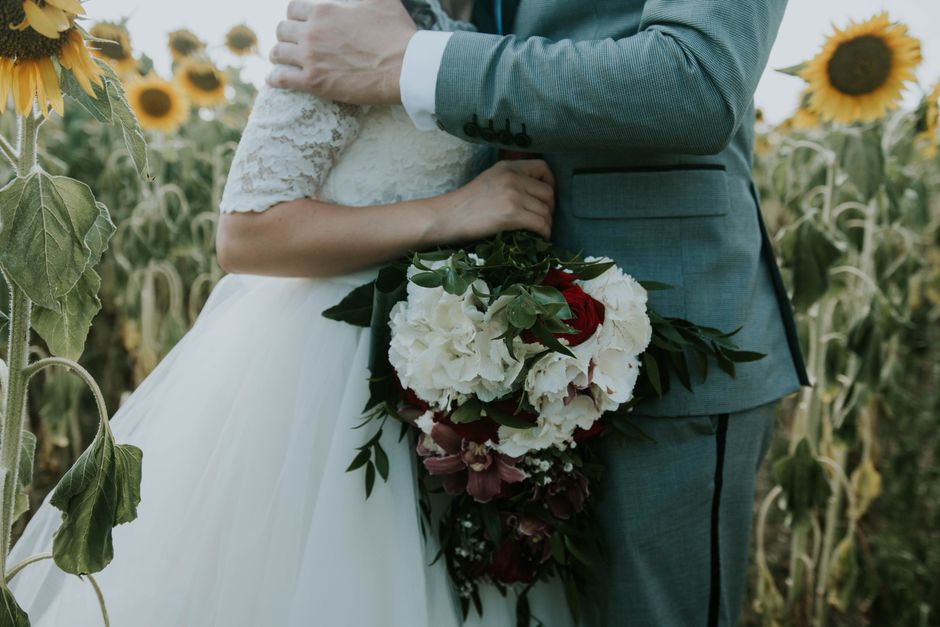
One mistake is choosing flowers only because they look good on social media. A bouquet that photographs well on one screen can behave very differently in real light, real weather, and real hands. You want beauty, yes, but also practicality.
Another mistake is leaving the booking too late. Wedding flowers are not usually something to scramble over at the last minute, especially if you want a specific style or seasonal bloom. Popular dates go quickly. That is just how it is.
A third mistake is overloading the bouquet with too many ideas. One ribbon treatment, one or two flower focal points, one colour story. More than that and the bouquet can lose clarity. Sometimes people want every favourite flower in one piece. Fair enough, but a bouquet still needs visual discipline.
Other issues to watch for:
- ignoring the bride's height and body proportions when choosing bouquet size
- forgetting how the bouquet will look against the dress fabric
- not asking how long the flowers need to last before the ceremony photos
- failing to coordinate bouquet tone with bridesmaids or buttonholes
- assuming every flower is equally durable in warm or breezy conditions
Truth be told, the biggest mistake is often rushing the conversation. Once the brief is rushed, everything downstream gets a bit wobbly. A calm, clear start usually pays off.
Tools, Resources and Recommendations
You do not need a huge toolkit to plan a bouquet well, but a few resources make the process more straightforward.
- Reference photos: Gather a small set of images that show shape, colour, and mood. Not fifty. Just enough to describe what you mean.
- Fabric swatches or dress photos: Very useful for colour matching and scale.
- Seasonal flower awareness: Even a rough sense of what is available in the month of your wedding helps with better decisions.
- Delivery and timing notes: Useful if the bouquet must be received at a hotel, home, or venue.
- Care instructions: Keep them somewhere visible so the bouquet does not end up sitting by a radiator, which happens more often than you would think.
For wider planning, it can help to browse related product groups such as wedding flowers in Islington, bouquet collections if applicable to your planning flow, and broader seasonal ranges like white flowers, pink flowers, or mixed-colour arrangements when you are deciding on palette direction. Those categories can help you narrow the field without getting stuck in endless scrolling.
It can also be useful to check practical site pages such as about us, contact information, and terms and conditions before placing an order. Not glamorous, I know. But weddings reward careful people.
Law, Compliance, Standards, or Best Practice
For bouquet planning, the main compliance issue is not some dramatic legal hurdle. It is more about reliable trading, transparent service, and honest communication. In the UK, customers should expect clear pricing, sensible delivery arrangements, and understandable refund or replacement policies if something goes wrong. If you are ordering wedding flowers, those basics matter more than a flashy promise.
From a best-practice point of view, a florist should be clear about what is included, what may vary seasonally, and how substitutions are handled. That transparency is especially important for wedding flowers, where the couple is often building a whole visual plan around a small number of key pieces. If a specific bloom is unavailable, the replacement should be chosen to protect the overall look rather than simply fill space.
It is also wise to pay attention to care instructions and delivery timing. Wedding flowers are living products, not boxed accessories. They need handling instructions that make sense. You should know whether they should be kept cool, whether stems are already hydrated, and when they should be unwrapped. Simple, but important.
If you want reassurance around service expectations, useful pages include returns and refund information, payment details, and privacy policy. They do not make the bouquet prettier, obviously, but they do support a more trustworthy buying experience.
There are also broader ethical and operational standards worth noticing, such as sustainability practices and responsible sourcing where available. A thoughtful wedding purchase often feels better when it is backed by sensible business behaviour. No drama, just decent practice.
Options, Methods, or Comparison Table
When couples plan a bridal bouquet for a Highbury Fields wedding, they usually choose between a few broad approaches. Each one has strengths. The right choice depends on style, budget, timing, and how much control you want over the final look.
| Approach | Best for | Strengths | Watch-outs |
|---|---|---|---|
| Bespoke bridal bouquet | Couples wanting a tailored look | Highly personal, flexible, better visual matching | Needs clearer planning and usually more discussion |
| Collection-based bridal bouquet | People who want a proven style with less back-and-forth | Simple to choose, consistent, easier to coordinate | Less room for custom detail |
| Seasonal florist-choice bouquet | Couples happy to trust the florist's eye | Fresh, often good value, usually seasonally sensible | Less control over exact flower types |
| Matching wedding set | Those wanting bouquet, bridesmaids, and buttonholes aligned | Strong visual cohesion, easier styling across the day | Can become too uniform if not handled well |
In many cases, the sweet spot is a hybrid approach: choose a defined bouquet style, then customise colour or flower emphasis. That tends to give enough control without making the process exhausting. No one needs a wedding flower planning spreadsheet that becomes a second job.
Case Study or Real-World Example
Here is a realistic example of how a bridal bouquet plan might come together for a Highbury Fields Islington wedding.
A bride wants a bouquet that feels soft, elegant, and natural rather than too formal. The dress is clean-lined with a light fabric, and the wedding day includes a ceremony, a stroll for photos near the park, and then a reception later on. The bouquet brief is simple: pale tones, a little movement, not overly scented, and not too large.
The florist starts by narrowing the colour palette to whites, blush, and muted green. That combination works well in daylight and keeps the bouquet calm rather than busy. A hand-tied shape is chosen because it feels relaxed and is easier to carry between locations. Stems are kept neat so the bouquet looks finished in close-up shots, but not overworked.
To coordinate the rest of the wedding flowers, a smaller bridesmaid bouquet is planned in a similar tone, and buttonholes are kept very simple. The result is coherent without being matchy-matchy. That is often the sweet spot. You want family resemblance, not identical twins.
What made this approach work? A few things:
- the bouquet size was chosen with the bride's height and dress shape in mind
- the colour palette stayed controlled
- the flower mix balanced durability with softness
- the handover timing was planned so the flowers stayed fresh
- the whole design supported the photos without distracting from the couple
That is the real lesson of a good bouquet case study. It is not about one magic flower. It is about making a hundred small choices that quietly add up to something lovely.
Practical Checklist
Use this checklist to keep your bouquet planning on track. It is deliberately simple, because simple is what gets used.
- Wedding date confirmed
- Venue and photo locations considered
- Dress style and fabric noted
- Preferred colour palette chosen
- Favourite flowers and flower dislikes listed
- Bouquet shape selected
- Size and weight discussed
- Bridesmaid flowers and buttonholes reviewed
- Delivery address and timing confirmed
- Care instructions received and saved
- Backup plan for substitutions understood
- Payment and policy details checked
Expert summary: A successful bridal bouquet in Highbury Fields Islington should feel beautiful, comfortable, and believable in the context of the day. If the bouquet suits the dress, the route, the season, and the photographer's lens, you are already in very good shape.
Get a free quote today and see how much you can save.
Conclusion
A Bridal bouquet case study Highbury Fields Islington is really a study in good decisions. The flowers matter, of course, but so do timing, comfort, delivery, and the way the bouquet works with the wider wedding scene. When those pieces line up, the result feels calm and complete rather than overdesigned.
If you are planning your own bouquet, do not be afraid to ask practical questions. How heavy will it be? How will it travel? What happens if a certain bloom is unavailable? Those questions are not fussy. They are exactly the right questions. And once they are answered, the whole process becomes easier to trust.
In the end, the best bridal bouquet is the one that lets the bride feel like herself, just a little more luminous. That is the real win.
Frequently Asked Questions
What is a bridal bouquet case study?
A bridal bouquet case study is a practical example showing how a wedding bouquet was planned, designed, and delivered for a real setting. It helps explain the choices behind style, flowers, size, and timing.
Why mention Highbury Fields and Islington specifically?
Local context matters because venues, transport, walking routes, and photo locations all affect bouquet planning. A Highbury Fields Islington wedding often needs flowers that are elegant, practical, and easy to carry between locations.
How far in advance should I plan my bridal bouquet?
It is sensible to start early, especially if you want a specific style or seasonal flowers. The earlier you discuss the bouquet, the easier it is to match your preferences with availability and timing.
What bouquet style works best for a city wedding?
Many city weddings suit a hand-tied or lightly structured bouquet because it feels polished without being too heavy. That said, the best style depends on the dress, venue, and how the bouquet will be carried through the day.
Can I match my bouquet to my bridesmaids' flowers?
Yes, and it often works well. The trick is to keep a shared colour palette or flower family while allowing the bridal bouquet to have a little more detail or emphasis.
How do I choose flowers if I do not know much about floristry?
Start with mood words such as soft, romantic, modern, natural, or bold. Then share dress photos, venue details, and any flowers you love or dislike. A good florist can build the design from that.
What if my favourite flower is out of season?
That happens quite often. A florist can usually suggest a similar bloom with a comparable shape, tone, or texture. Seasonal substitutions are normal and, done well, can improve the bouquet rather than weaken it.
How long should a bridal bouquet last on the day?
A bouquet should stay fresh through the ceremony, photos, and most of the reception day if it has been prepared and handled properly. Exact longevity depends on the flowers used, the weather, and how the bouquet is stored before use.
Should I choose a bespoke bouquet or a collection bouquet?
If you want a highly personal design, bespoke is usually best. If you want something elegant with less decision fatigue, a collection bouquet can be a smart choice. The right answer depends on your priorities and your timeline.
What should I check before ordering wedding flowers online?
Check the delivery details, refund terms, payment information, and whether substitutions may be made. It is also wise to review care guidance so you know exactly how to handle the bouquet when it arrives.
Do bridal bouquets need to be huge to look good in photos?
No. In fact, a bouquet that is too large can overwhelm the dress and feel awkward to hold. A well-proportioned bouquet usually photographs better than an oversized one.
What is the biggest mistake couples make with wedding bouquets?
The most common mistake is focusing only on appearance and forgetting practicality. Weight, travel, timing, and weather all matter, especially for weddings with multiple locations or a lot of movement.
Can I use the same florist for bridal bouquets and the rest of the wedding flowers?
Yes, and that often creates a more cohesive look. It also makes communication easier because one supplier is handling the overall floral story rather than separate pieces that may not quite align.


