Islington florists guide to floral recycling and composting
Posted on 11/10/2026
If you run a flower shop, arrange weddings, or simply love keeping blooms moving through the home in a more thoughtful way, this Islington florists guide to floral recycling and composting is for you. Fresh flowers are beautiful, but let's face it: once the petals fade, stems droop, and display foam gets in the mix, the waste stream can get messy fast. The good news is that a lot of floral waste can be handled better than most people realise.
This guide breaks down what floral recycling and composting actually mean in a florist setting, what can and cannot go into compost, how to separate waste sensibly, and where the real practical wins are. It is written with Islington businesses and local customers in mind, but the principles work well across London too.
Whether you are trying to reduce bin volume, improve sustainability messaging, or just make your shop routines a bit tidier, you will find clear steps here. No fluff. No eco jargon overload. Just useful, real-world guidance.
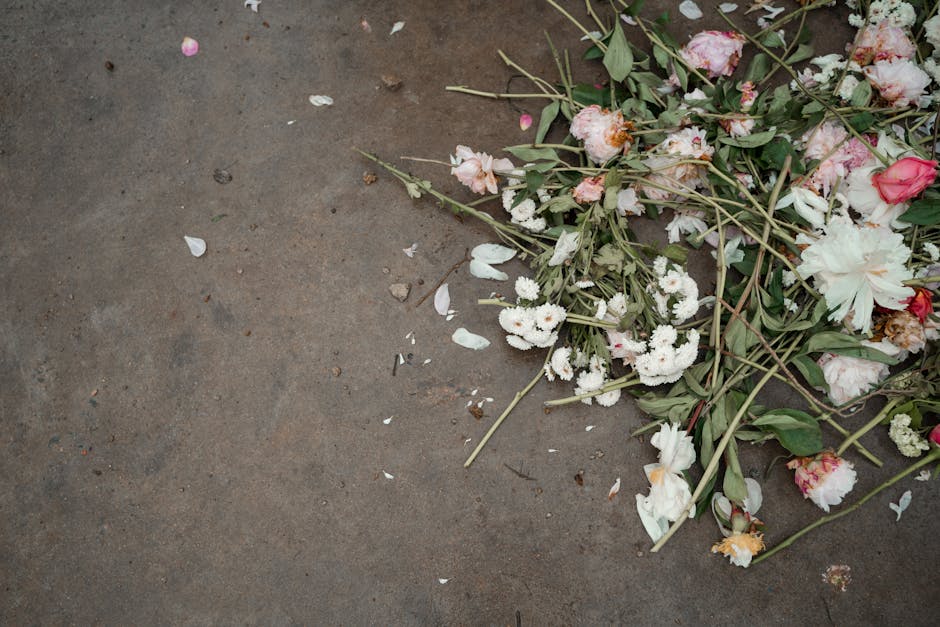
Why Islington florists guide to floral recycling and composting Matters
Floral waste is one of those things that can look harmless in a small pile and then, before you know it, fill half a bag. Stems, leaves, packaging, ribbon, hydration wraps, cardboard sleeves, cellophane, water tubes, and display materials all tend to arrive together. If you are not separating them properly, most of that value gets lost.
For Islington florists, recycling and composting matter for three main reasons. First, they can reduce general waste. Second, they can improve the environmental profile of the business in a way that feels concrete rather than vague. Third, they can make day-to-day operations cleaner and easier. Fewer overfilled bins. Less smell. Less fiddling about with mixed rubbish at closing time.
There is also a customer expectation piece here. A lot of buyers now notice sustainability claims. They may not ask detailed questions, but they do notice when a florist talks sensibly about waste, seasonal sourcing, and reusable packaging. That kind of honesty builds trust. And trust matters in a local area like Islington, where people often return to the same shop again and again.
Expert summary: floral recycling and composting are not just about being greener; they are about handling organic waste properly, reducing contamination, and creating a more efficient flower business without making life harder for staff.
One more thing. It is easy to focus on the blooms themselves, but the hidden waste is often the stuff around the bouquet. That is where the improvement usually starts.
How Islington florists guide to floral recycling and composting Works
In simple terms, floral recycling and composting means separating flower-related waste into streams that can be reused, recycled, or composted, instead of sending everything to general refuse. The trick is that not all floral waste is the same. A rose stem is not the same as a plastic sleeve. Wet foliage is not the same as a cardboard box. Obvious, perhaps, but in a busy shop the difference gets blurred quickly.
Here is the basic logic most florist teams can work with:
- Organic plant matter such as flowers, leaves, stems, and some uncoated natural waste can often be composted.
- Cardboard and paper may be recyclable if kept clean and dry.
- Plastic packaging often needs separate recycling handling or may not be accepted if contaminated.
- Non-recyclable items such as foam, mixed-material wraps, glittered decorations, and certain adhesives usually need careful disposal.
The practical process normally begins at the workbench. Staff separate waste at source, using different containers for organics, dry recyclables, and general waste. That is the big unlock. If everything goes into one sack first, it becomes much harder to salvage anything useful later. Composting in particular works best when the organic material stays relatively free from plastic and synthetic bits.
In a florist environment, moisture is the awkward bit. Fresh stems hold water. Cut flowers leak. Leaves go soft. If wet organics sit too long in a warm room, they can smell and break down early. So the system needs regular emptying. Not glamorous, I know, but very important.
For many shops, the most workable setup is a daily or near-daily sort: clean card out for recycling, green waste into a separate bag or bin, and mixed rubbish kept to a minimum. If you already offer local flower delivery, tidy waste handling can slot neatly into the same delivery rhythm. A shop that is organised at dispatch is often organised with waste too. Not always, but often.
Key Benefits and Practical Advantages
The benefits are not only environmental. In practice, a good recycling and composting routine can improve the whole flow of a florist business.
- Lower general waste volume: less of what you pay to throw away ends up in the general bin.
- Cleaner workspaces: separating waste early keeps benches and floors less cluttered.
- Better stock awareness: when you see how much material becomes waste, you make sharper buying decisions.
- Stronger sustainability story: customers like concrete actions more than vague promises.
- Improved team habits: small daily routines reduce bigger end-of-week headaches.
- Potentially better presentation: a tidy back-of-house tends to produce a tidier front-of-house.
There is also a quieter benefit that people sometimes overlook: staff morale. Nobody enjoys clearing through a damp, mixed bin at the end of a long Saturday. A well-designed sorting system feels decent to work with. It makes the place feel more professional. That matters, especially in smaller shops where every person notices every detail.
If your business already leans towards seasonal design, local delivery, or event work, you may find that your waste patterns change with the calendar. Wedding season can generate more ribbon and packaging; winter events may bring more mixed decor waste; summer can produce more green waste and quicker spoilage. A good recycling system adapts to those shifts rather than fighting them.
And yes, composting can become part of the brand story. Just keep it honest. If a material cannot be composted, say so. Customers respect specificity more than polished green talk. Truth be told, they usually spot the difference immediately.
Who This Is For and When It Makes Sense
This approach is useful for more than just traditional florists. It makes sense for any business that handles fresh flowers or plant material on a regular basis.
- Independent flower shops dealing with daily stem waste and packaging.
- Wedding florists with recurring event breakdowns and large quantities of reusable material.
- Funeral florists managing tributes, sheaves, and seasonal arrangements with dignity and care.
- Corporate account florists handling frequent deliveries and display refreshes.
- Market stall florists who need compact, disciplined waste routines.
- Home florists or hobbyists who want to compost responsibly.
It also makes sense when you notice one of these signs:
- Your mixed waste bin fills up too quickly.
- You are throwing away a lot of cardboard that could be recycled.
- Flower scraps are causing odour or insects near the stock area.
- Your team is wasting time deciding where things should go.
- You want to improve sustainability without making the workflow complicated.
For customers, the topic matters too. If you are ordering from a florist in Islington for a wedding, funeral, birthday, or any other occasion, it is worth knowing how the business handles waste after the flowers leave the shop. A florist with solid recycling habits often pays more attention to the rest of the service as well. Not guaranteed, of course, but it is a fair sign.
If you are comparing shops, you may also find that businesses that care about sustainability tend to communicate clearly about flower care and delivery expectations too. That kind of organisation often shows up in many places at once. For example, well-structured shops usually have clear information on flower care and careful delivery arrangements such as delivery.
Step-by-Step Guidance
If you want a process that actually works in a busy Islington florist setting, keep it simple first. Fancy systems tend to collapse when the shop gets busy. Simple ones survive Monday mornings.
- Audit your waste for a week.
Notice what gets thrown away most often. Flowers, stems, cardboard, wrapping, foam, tape, and loose plastic will usually appear in predictable patterns. - Separate waste streams at the point of generation.
Put a clearly labelled organics container near the work area, a dry recycling bin for clean paper and card, and a general waste bin for everything else. - Train the team on contamination risks.
A single plastic sleeve in a compost bag can ruin the batch. The same goes for foil, string, florist wire, and foam. - Keep compostable material as clean as possible.
Remove obvious non-organic bits before adding stems or petals to the organic stream. - Store waste briefly and safely.
Organic waste should be emptied frequently to reduce smell and mess. If it sits too long, the system stops feeling worth it. - Decide what happens to the compostable stream.
That could mean a local composting arrangement, a council-accepted food and garden waste route where available, or a private waste contractor that accepts green waste. - Review packaging choices.
Swap mixed-material wraps for simpler materials where possible. Even a modest reduction helps. - Measure improvement monthly.
Keep an eye on bin usage, contamination, and staff feedback. Small improvements usually show up before big ones.
Here is the practical bit most people skip: start with one area rather than the whole shop. For example, treat the bouquet wrapping bench first, then move to the workshop, then to event dismantle waste. That approach is less overwhelming and easier to maintain. One step at a time. Very boring, very effective.
If you serve regular customers through a range of collections, it can help to think in product groups. Durable arrangements and vase-based gifts may produce less packaging waste than large hand-tied stems. Similarly, wedding work often creates reusable and recyclable materials if you plan early. The same holds if you offer options like flowers in a vase or seasonal arrangements through a broad collection such as all flowers.
Expert Tips for Better Results
After a while, you start to see where the waste really comes from. It is rarely the flowers alone. More often it is the extras around them. That is where the smartest gains sit.
- Use colour-coded bins. If staff can tell the waste stream at a glance, sorting improves fast.
- Keep compostables dry until they are collected. Damp cardboard and wet paper can stop recycling from being accepted.
- Use less mixed-material packaging. The simpler the material, the easier the end-of-life route.
- Plan event dismantles in advance. Wedding installs and funeral tributes can create a lot of one-off waste, so have bags and boxes ready before the breakdown starts.
- Buy with waste in mind. A slightly smarter stem order can cut leftovers more than any bin system can.
- Make one person responsible each shift. Systems drift when everybody is responsible and nobody quite is.
- Keep an eye on water sources. Sloppy water disposal can undermine an otherwise neat recycling routine.
A small but useful habit: check the waste station at closing time, not just in the morning. That is when contamination problems become obvious. It also helps staff spot patterns. You may notice, for example, that a certain ribbon type is always ending up in the wrong bin or that some product packaging is harder to separate than expected.
If your business handles premium designs or specialist arrangements, it is worth choosing products that align with cleaner waste handling. A lot of shops already segment ranges by occasion or style. That can make it easier to standardise packaging. Products in the same range, same handling routine, same waste outcome. Not perfect, but tidy enough.
And if you are building a greener brand, do not forget the service side. Sustainable waste handling is stronger when the whole customer journey supports it, from order to delivery to aftercare. That is why pages like sustainability and about us matter too. They help people understand the values behind the flowers.
Common Mistakes to Avoid
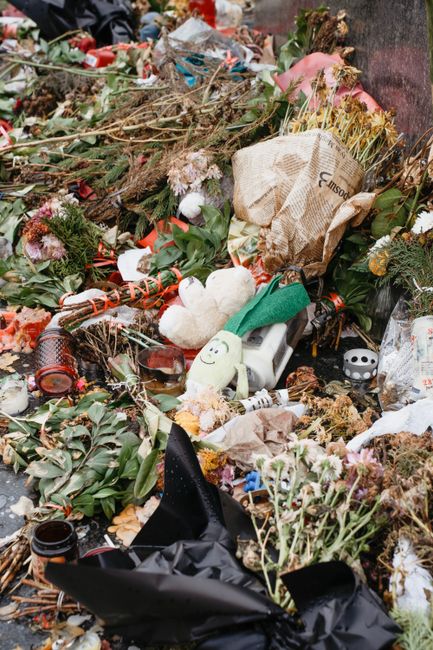
Most problems come from a few predictable habits. The frustrating part is that they are all fixable.
- Mixing organics with plastic. Once contamination spreads, composting becomes far less useful.
- Leaving waste to build up. Wet flowers and foliage do not improve with time. They get worse. Quickly.
- Assuming all paper is recyclable. Coated, glossy, or heavily taped paper can be rejected.
- Using foam and then calling the process sustainable. That may sound blunt, but it is worth saying.
- Forgetting the small items. Cable ties, labels, flower picks, and wrapping tape are easy to miss.
- Not training seasonal staff. Temporary helpers often need the clearest guidance because they are not yet used to your system.
- Ignoring supplier packaging. If materials arrive in awkward mixed formats, your waste setup will struggle from the start.
There is also a communication mistake worth avoiding: overclaiming. If you only compost a portion of floral waste, say that. If some materials are recycled and others are not, be direct. People are far more comfortable with a realistic sustainability story than a polished one that sounds a bit too neat.
Another easy miss is inconsistent labelling. If one bin says "green waste" and another says "organic," a busy staff member may hesitate and then use the wrong one. The fix is simple: keep labels short, visual, and standardised. No one needs a lecture beside the bin.
Tools, Resources and Recommendations
You do not need a complicated setup to make good progress. In fact, too many tools can make a waste system feel fussy. Keep the kit practical.
| Item | What it helps with | Best use |
|---|---|---|
| Clearly labelled bins | Separating organic, recyclable, and general waste | Workbench, prep area, back room |
| Sturdy compostable bags | Collecting green waste with less mess | Flower stems, leaves, and petals |
| Dry cardboard storage | Keeping recyclable packaging clean | Outer boxes, sleeves, and clean inserts |
| Scissors or box cutters | Breaking down packaging efficiently | Receiving area and unpacking station |
| Simple visual signage | Reducing contamination | Any shared waste point |
Recommendations for a florist team are straightforward:
- Choose bins that are easy to clean, not just cheap to buy.
- Keep one waste station near the workbench and another near delivery prep if you have the space.
- Use materials with as few layers as possible.
- Review your packaging and ribbons every few months.
- Keep supplier deliveries in their own tidy area so waste does not spill across the shop.
If you also sell gifts, add-on cards, or seasonal items, keep an eye on the non-floral waste too. A flower shop can gather a surprising amount of card, tissue, inserts, and gift packaging. The right storage layout helps. And if you handle multiple product types, your best sellers or occasion ranges may benefit from their own packaging logic. That makes the waste stream easier to sort later.
For customer-facing information, clear site pages can also help people understand the business values behind your work. If someone is browsing delivery terms or payment details, they will usually notice how professional the whole site feels. That trust spills over into how they view your sustainability work. It really does.
Law, Compliance, Standards, or Best Practice
Waste handling in the UK should always be approached carefully and in line with current local and legal requirements. The exact rules can depend on the type of waste, who collects it, and how it is stored. Because rules can change and local arrangements vary, it is sensible to check the current position with the relevant waste provider or local authority before making assumptions.
For florists, the main compliance concerns usually sit around proper waste segregation, safe storage, avoiding contamination, and using approved collection routes where required. In plain English: do not dump everything together and hope for the best. That is not a strategy.
Best practice usually includes:
- separating organic waste from general refuse;
- keeping recyclable packaging clean and dry;
- storing waste safely so it does not attract pests or create odour issues;
- making sure staff understand what goes where;
- using reputable collection arrangements for any controlled waste streams.
It also helps to maintain a simple written routine, even if your business is small. That routine might include when bins are emptied, who checks contamination, and where packaging is stored. If you ever need to review the process, a written routine is much easier than relying on memory after a busy Friday. We have all been there.
Where sustainability claims are concerned, be careful not to overstate. If you describe a product or process as recyclable or compostable, make sure that statement is accurate for the real material and the real disposal route. In practice, many flower businesses use a mix of recyclable, reusable, and residual waste handling. That is normal. Honest, specific language is better than vague green language every time.
Options, Methods, or Comparison Table
There is no single perfect waste method for every florist. The right approach depends on shop size, product mix, storage space, and collection options. Here is a straightforward comparison.
| Method | Best for | Strengths | Limitations |
|---|---|---|---|
| On-site separation for composting | Shops with regular green waste | Fast, practical, reduces general waste | Needs discipline and clear contamination control |
| Dry recycling only | Small shops with limited space | Simple to manage | Does not handle organic flower waste |
| Mixed waste minimisation | Businesses starting out | Easy first step | Less effective than a full sorting system |
| Supplier packaging reduction | Wholesale-heavy operations | Prevents waste before it starts | Depends on supplier flexibility |
| Event-specific recovery plan | Wedding and funeral florists | Useful for large one-off installations | Requires advance planning |
For many Islington florists, the best answer is a hybrid model: compost what is genuinely organic, recycle clean paper and cardboard, minimise mixed packaging, and reduce disposal at source where you can. That approach is realistic. It does not pretend the whole business can be transformed overnight, but it still makes a real difference.
Case Study or Real-World Example
Imagine a small Islington florist preparing for a busy week with a birthday delivery run, a wedding consultation, and a few sympathy orders. By the end of Thursday, there is a mountain of stems, a stack of cardboard sleeves, several plastic wraps, ribbon offcuts, and a few soggy leaves on the worktop.
Before introducing a better system, all of that might have gone into one black bag. Simple, but wasteful. After reorganising, the team adds one green waste bin behind the prep table, keeps a recycling crate for dry cardboard, and makes a rule that any plastic wrap must be separated before the order leaves the bench. One person empties the organic bin after lunch and again at close.
What changes? The first thing they notice is smell, or rather the lack of it. Then they notice the general bin is not filling as fast. Staff spend less time sorting mixed rubbish at the end of the day. A week later, they see that some packaging styles are simply too awkward and decide not to reorder them. No drama. Just tidier decisions.
That kind of improvement rarely looks dramatic from the outside, but inside the shop it makes a real difference. The space feels calmer. The process feels more professional. And the team, which is usually the sharpest judge of these things, tends to keep using the system because it actually works.
If you handle occasion flowers as well as everyday orders, the same logic applies to product groupings. For example, birthday gifts like birthday flowers or more general options such as any occasion can be packed in ways that reduce unnecessary waste. Small choices stack up. They really do.
Practical Checklist
Use this checklist to pressure-test your current setup. If you are only starting out, do not worry about perfect scores. Just get the basics right.
- Have you separated organic flower waste from general rubbish?
- Are cardboard and paper kept dry and clean?
- Do staff know what cannot go into compost?
- Are there clear labels on every waste container?
- Are bins emptied often enough to avoid smell and mess?
- Have you reduced obvious mixed-material packaging where possible?
- Is there a plan for event waste after weddings or funerals?
- Have seasonal or temporary staff been shown the system?
- Do you review contamination problems regularly?
- Can customers understand your sustainability approach in plain English?
If you can tick most of those boxes, you are already doing better than many businesses that talk a lot and sort very little. Harsh maybe, but true.
Quick takeaway: the best floral recycling and composting systems are the ones that stay simple enough to use on a busy day. If a system needs constant rescue, it is too complicated.
Conclusion
The main point of this Islington florists guide to floral recycling and composting is simple: sustainability works best when it is practical. You do not need a perfect zero-waste setup to make progress. You need a clear sorting routine, realistic packaging choices, and a bit of consistency from the team.
For florists, the strongest gains usually come from the basics: keep organics separate, protect recyclable materials from contamination, reduce avoidable packaging, and review what comes back to the shop after each busy spell. That is where the savings and improvements tend to appear first.
And if you are a customer, the same principle applies when choosing where to buy flowers. Look for businesses that are specific, honest, and organised. Those are usually the ones that think carefully about every stage of the order, not just the bouquet on display.
Get a free quote today and see how much you can save.
Small waste changes can feel modest at first, but over time they shape a calmer shop, a cleaner process, and a more thoughtful business. That is worth doing, even on the busiest London weeks.
Frequently Asked Questions
What is floral recycling in a florist shop?
Floral recycling means separating recyclable materials from general waste in a flower business. That usually includes clean cardboard, paper, and some packaging, while keeping organic plant waste and non-recyclables in their own streams.
Can flower stems and petals be composted?
Often, yes. Fresh stems, petals, leaves, and other plant matter are usually suitable for composting if they are free from plastic, wire, foam, and other contamination. The exact route depends on the collection method available to you.
What floral waste should not go into compost?
Items like plastic wrap, florist foam, ribbon, wire, stickers, tape, and mixed-material decorations should not go into compost. Even small bits can spoil the batch, so it is worth checking carefully.
Is composting worth it for a small Islington florist?
Yes, often it is. Even a small shop can reduce bin volume, keep the workspace tidier, and improve sustainability practices with a straightforward composting routine. Small gains add up quickly in a busy environment.
How often should flower waste be removed?
As often as practical, especially in warm weather or busy periods. Organic waste can smell and break down quickly, so daily or near-daily removal is usually the most comfortable option for a florist shop.
Do recyclable cardboard boxes need to be clean?
Yes. Clean and dry cardboard is much more likely to be accepted in recycling. If cardboard is soaked with water, covered in soil, or contaminated with mixed materials, it may need to go in general waste instead.
What is the biggest mistake florists make with waste sorting?
The biggest mistake is contamination. One plastic sleeve, some florist tape, or a bit of foam can make an otherwise useful organic waste stream much harder to compost or recycle properly.
Can wedding flowers be reused or recycled after the event?
Sometimes, yes. Depending on the condition of the flowers and the design, some materials can be recovered, reused, composted, or separated for recycling. Event breakdown planning makes a big difference here.
How do I explain sustainability to customers without sounding vague?
Keep it specific. Say what materials you reuse, what gets recycled, and what goes to compost where appropriate. Honest wording works better than broad claims, and customers usually appreciate clarity.
Are all flower packaging materials recyclable?
No. Some are, but many are not. Mixed plastic, coated wraps, sticky labels, and decorative finishes can cause problems. The safest approach is to check each material rather than assuming it can be recycled.
Should florists keep a written waste routine?
Yes, especially if more than one person handles prep and closing. A simple written routine helps staff stay consistent and makes it easier to train new people without confusion.
Where should an Islington florist start if the waste system is messy?
Start with one bench, one bin setup, and one clear rule for separating organics from packaging. Once that works, expand the system gradually. Trying to fix everything at once usually makes the job harder, not easier.


